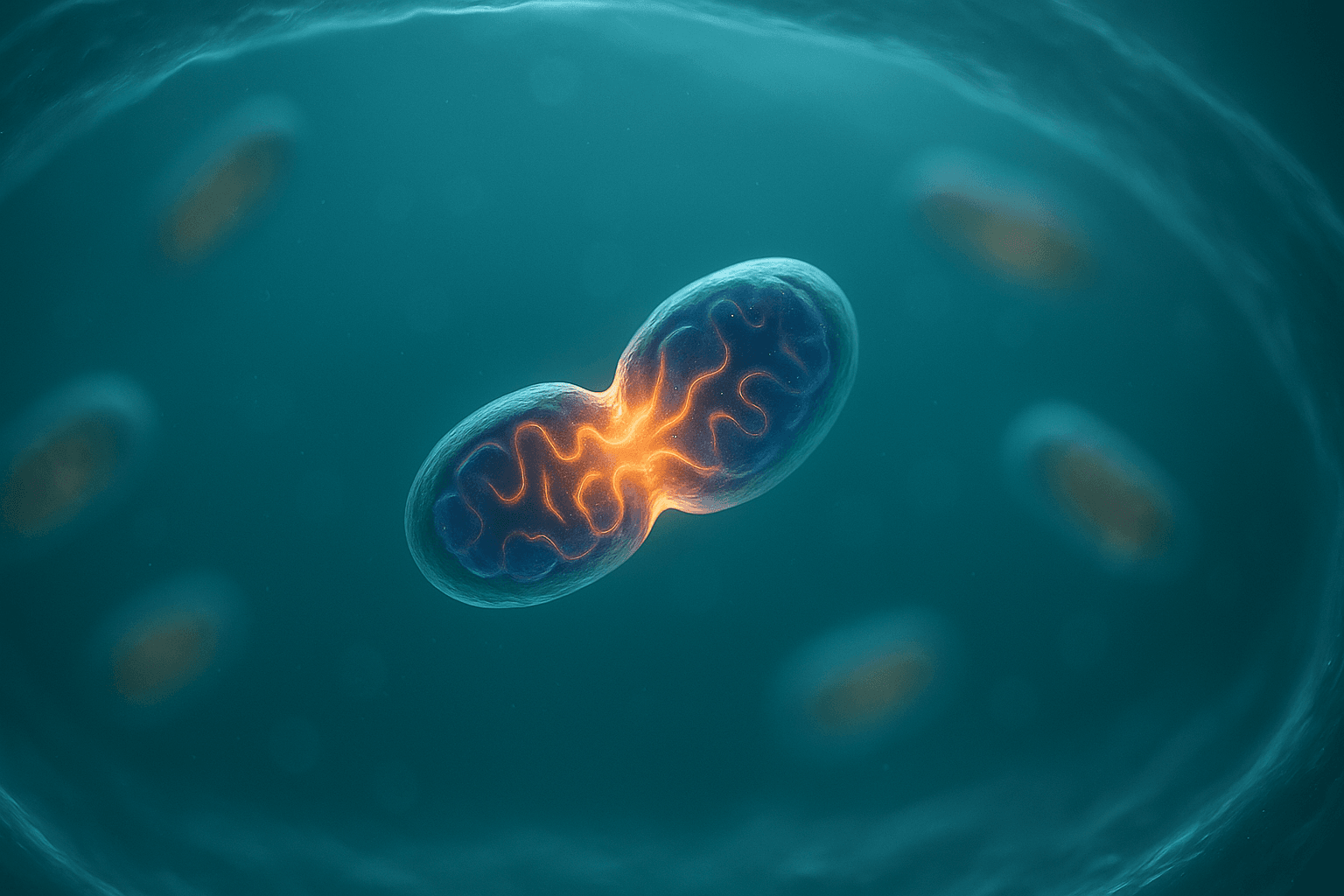
Scientists say supporting mitochondrial renewal can boost energy, improve focus and influence how fast you age.
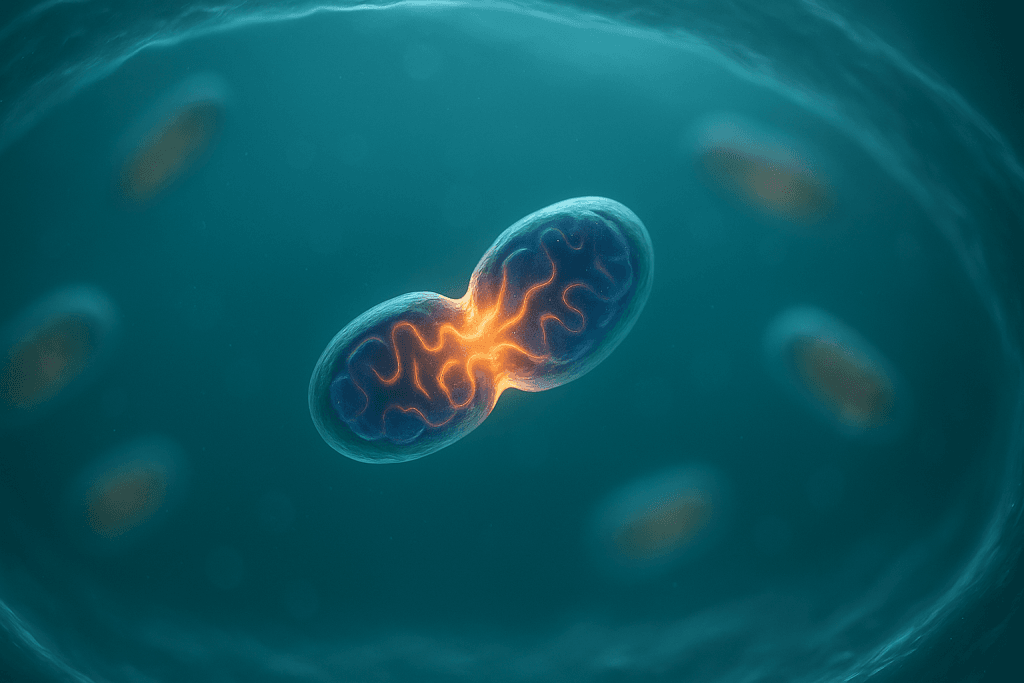
Your cells are constantly rebuilding their mitochondria, the tiny structures that generate almost all your cellular energy. They are not fixed parts of your biology. They behave like a renewing organ system, turning over every days to weeks across billions of mitochondria throughout your body.
🔥 What makes this so powerful is that lifestyle influences this renewal more than genetics. When mitochondrial turnover runs well, people often feel clearer, calmer and more resilient. When it slows, early signs of aging appear quietly, long before gray hair, fatigue or abnormal lab results.
Scientists now see mitochondrial renewal as essential for healthy aging, metabolism, brain performance, and tracking biological age.
Key Takeaways
- Mitochondrial turnover replaces most mitochondria within days to weeks, keeping your energy machinery relatively young.
- Mitophagy is your cleanup system that removes damaged mitochondria before they drive inflammation and cell stress.
- Mitochondrial biogenesis, guided by PGC-1α, builds fresh mitochondria that make cleaner, steadier energy.
- Daily habits like movement, morning light, sleep, protein and glucose control strongly influence this cycle.
- Supporting turnover may improve energy, focus, metabolic health, exercise performance and markers of biological aging.
What scientists found about your “hidden organ”
🧪 Each cell carries anywhere from 100 to 700 mitochondria, depending on the tissue. Across all your cells, that adds up to an enormous, constantly renewing energy network.
Research shows mitochondria are broken down and replaced instead of simply “wearing out” with age. In the liver, for example, mitochondrial protein half-life can be around 2 days, and in other tissues it ranges from about 9 to 24 days.
Scientists call the balance between mitophagy (cleanup) and biogenesis (rebuild) mitochondrial turnover. When this balance holds, cells quietly keep their energy systems young. When it fails, old mitochondria accumulate, leak reactive molecules and push cells toward chronic inflammation and faster aging.
Why this matters for your everyday health
💥 You can often feel poor mitochondrial turnover long before a doctor measures it. Common signals include:
- low morning energy
- afternoon brain fog
- slower recovery after workouts
- mood swings and irritation
- intense sugar or caffeine cravings
These are not just “being tired” or “getting older”. They reflect how well your cells are cleaning up and rebuilding mitochondria.
The flip side is encouraging. When turnover improves, many people notice:
- steadier energy through the day
- easier focus for school or work
- better exercise performance and recovery
- more stable mood and motivation
- fewer crashes after meals
Because mitochondria are renewing on the scale of days, not years, even small changes can pay off relatively quickly.
How mitochondrial turnover actually works
🧠 Healthy turnover is a two step cycle.
1. Mitophagy: targeted cleanup
Your cells use sensors like PINK1 and Parkin to spot mitochondria that are damaged or creating too much stress. PINK1 signals Parkin to tag them for removal, sending them to lysosomes for breakdown.
This mitophagy pathway is your cell’s quality control system. When it slows, worn-out mitochondria build up, raise oxidative stress, and contribute to neurodegeneration and faster aging.
2. Biogenesis: building fresh mitochondria
Once old mitochondria are cleared, cells switch on mitochondrial biogenesis. The key controller is PGC-1α, often called the master regulator of new mitochondria.
PGC-1α helps:
- turn on genes that build mitochondrial proteins
- increase mitochondrial DNA
- boost your cell’s energy production
Exercise, nutrients and mild cellular stress all activate PGC-1α.
The key idea: you cannot build healthy new mitochondria unless your cells clear out the old ones first.
The daily habits that help your body rebuild mitochondria
🌱 You do not need extreme protocols. The strongest levers are simple, repeatable habits.
1. Light to moderate movement most days
🚶♂️ Zone 2 style movement – brisk walking, easy cycling, relaxed jogging – consistently activates PGC-1α and other biogenesis pathways in muscle.
Aim for:
- 20 to 30 minutes on most days
- a pace where you can still talk in full sentences
This level of movement improves mitochondrial content and function and is especially powerful if your current fitness is low.
2. Morning light to “wake up” mitochondrial clocks
🌞 Mitochondria are influenced by your circadian rhythm. Early light exposure helps set that internal clock, which feeds into metabolic and mitochondrial genes that control energy release and repair.
Practical target:
- 5 to 15 minutes of outdoor light within an hour of waking
- through a window is better than nothing, but direct outdoor light is stronger
People often report better daytime energy and sleep quality within a week.
3. Keeping glucose spikes under control
🍎 Large, fast blood sugar spikes switch on nutrient sensors that can block mitophagy and push mitochondria toward stress.
Simple strategies:
- eat protein or healthy fat first, then carbs
- choose fiber rich carbs over ultra refined ones
- walk 10 minutes after meals
These keep energy more stable and give mitochondria more time in repair mode, not crisis mode.
4. Enough protein, especially leucine rich foods
🥚 Amino acids, especially leucine, help signal cells to rebuild both muscle and mitochondria after stress.
Leucine rich options include:
- eggs and dairy (like yogurt)
- fish and poultry
- tofu, tempeh and beans
A simple rule: aim for a meaningful source of protein at each meal, not just at dinner.
5. Deep, consistent sleep
😴 Many key repair programs, including mitophagy and mitochondrial DNA maintenance, are most active during deep sleep. Poor sleep is repeatedly linked with mitochondrial dysfunction, higher oxidative stress and faster aging changes.
Helpful basics:
- regular sleep and wake time
- dimmer lights in the last hour of the day
- caffeine cutoff 6 to 8 hours before bed
Even modest sleep improvements can translate into better daytime energy within days.
6. Gentle cold exposure
❄️ Short, controlled cold exposure can stimulate brown fat and encourage mitochondria to burn fuel less efficiently but more actively, which may increase mitochondrial number and function over time.
You do not need ice baths. Try:
- finishing your shower with 20 to 60 seconds of cooler water
- a brief step outside in light clothing on a cool morning
Always stay safe and stop if you feel unwell or overly stressed.
7. A simple overnight fasting window
🍃 Constant snacking keeps nutrient sensors “on” and can suppress autophagy and mitophagy. A basic 12 hour overnight fast (for example, 7 pm to 7 am) gives cells time to clear damaged components, including worn out mitochondria.
You do not need extreme fasting. Start with:
- no calories 2 to 3 hours before bed
- a consistent overnight gap that feels comfortable
What remains uncertain
🟧 Researchers still do not know the perfect turnover rate for mitochondria in humans. Different tissues have very different half lives, and even in the same organ, estimates can vary widely depending on how they are measured.
Open questions include:
- why some people respond quickly to lifestyle changes while others respond more slowly
- how stress, hormones and medications interact with mitophagy and biogenesis
- which supplements, if any, truly support turnover in the long term
The good news: the behaviors listed above are broadly beneficial for health even beyond mitochondria.
Who this affects most
Stronger mitochondrial turnover is especially relevant if you:
- are over 30 and feel your energy has quietly dropped
- notice brain fog, irritability or focus problems
- struggle with recovery after normal workouts
- live with chronic inflammation or metabolic issues
- want to protect brain and heart health as you age
Because turnover naturally slows with age, these habits tend to feel more “potent” as the decades pass.
How to use this safely and realistically
You do not need to change everything at once. The body responds best to consistent, sustainable signals, not short intense bursts.
A simple starting stack:
- Walk 20 minutes most days.
- Get morning light as often as you can.
- Add protein to each meal and reduce obvious sugar spikes.
- Protect a regular sleep window.
Once those feel normal, you can experiment with:
- a gentle cold finish to your shower
- a 12 hour overnight fast a few days per week
Think of it this way: your body is already rebuilding mitochondria. These habits simply tell it to do the job more cleanly, with less waste and less inflammation.
Sources
- Mitochondrial turnover and quality control
https://pmc.ncbi.nlm.nih.gov/articles/PMC4501896/ - Mitophagy, mitochondrial homeostasis and cell fate
https://pubmed.ncbi.nlm.nih.gov/32671064/ - PGC-1α and mitochondrial biogenesis
https://www.ncbi.nlm.nih.gov/pmc/articles/PMC10215733 - Regulation of PGC-1α, a nodal regulator of mitochondrial biogenesis
https://pubmed.ncbi.nlm.nih.gov/21289221 - Exercise and mitochondrial adaptations
https://pubmed.ncbi.nlm.nih.gov/40459444