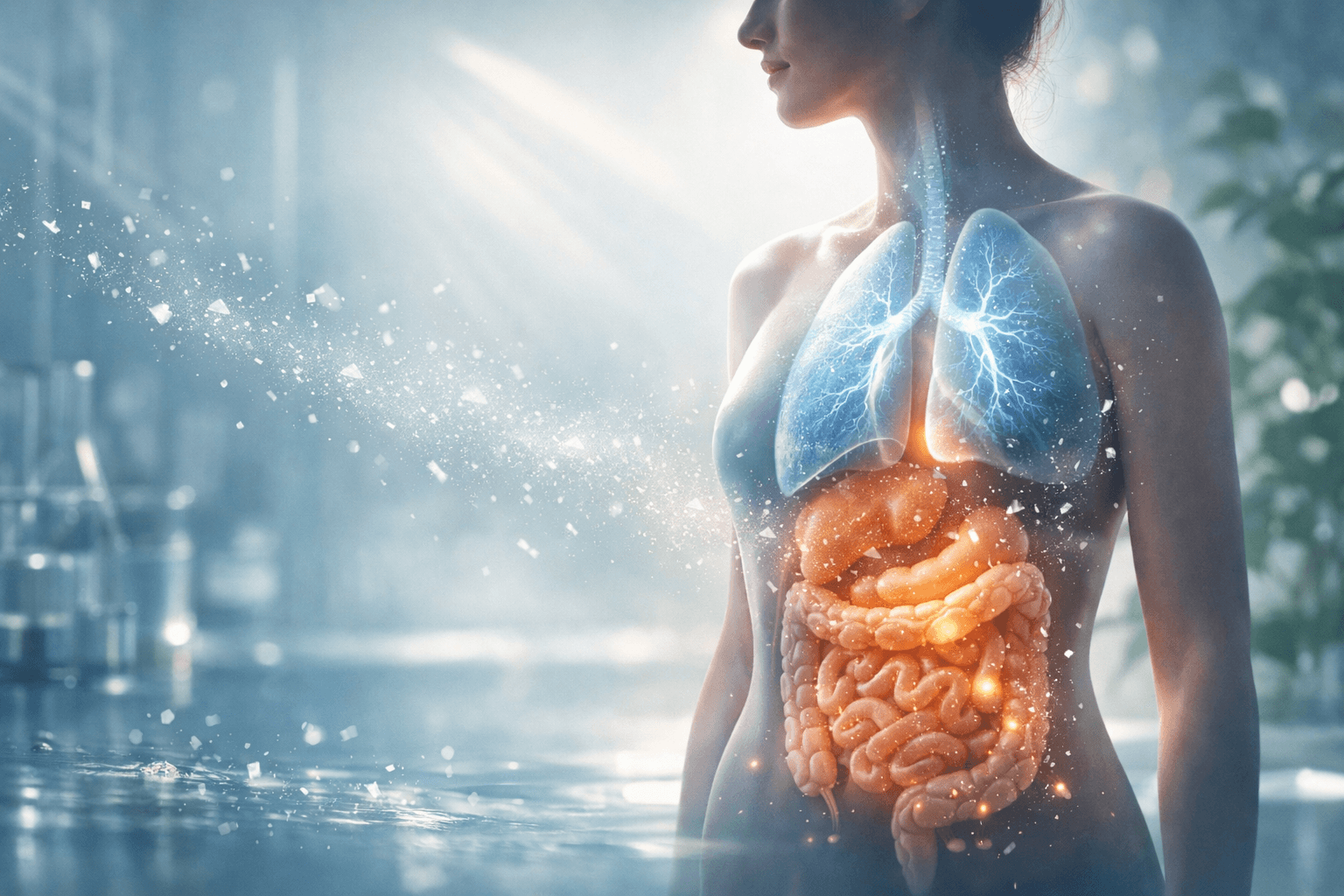
Microplastics are now part of daily life. The good news: recent studies shows realistic ways to cut exposure, support your body, and avoid panic while staying proactive.
You’re Exposed, But You’re Not Helpless
♻️ Microplastics are no longer just an environmental issue. They’re in water, food, indoor air, and even human blood and tissues. That sounds alarming. But here’s the calmer truth: while complete avoidance is impossible in 2025, meaningful reduction is absolutely achievable. Even better, your body already has systems designed to handle foreign particles.
The goal is not a miracle detox. It’s smarter exposure control and stronger biological resilience.
Key Takeaways
- Microplastics enter the body daily through water, food, and air, especially indoors
- Total avoidance is unrealistic, but exposure reduction can be significant
- Diet, gut health, sleep, and inflammation control matter more than “cleanses”
- Medical removal is experimental, but prevention works right now
Why Microplastics Are Everywhere (and End Up in You)
Microplastics form when larger plastics break down or shed fibers. Synthetic clothing, food packaging, bottled water, and household dust are major contributors.
Recent indoor air studies show people may inhale tens of thousands of microplastic particles per day, often more indoors than outdoors. Once inhaled or ingested, particles can interact with tissues and immune cells. Some studies link exposure to oxidative stress and low-grade inflammation, both drivers of chronic disease.
Important nuance: detection does not equal damage. Presence alone doesn’t mean toxicity. The health impact depends on dose, size, shape, and duration of exposure. That’s why reducing daily input matters.
Start Where It Counts: Reduce Exposure at the Source
The fastest way to lower microplastic burden is simply letting fewer particles in.
Drink smarter
🚰 Bottled water consistently contains more microplastics than tap water. Switching to filtered tap water is one of the highest-impact changes you can make.
One surprisingly effective tactic: boiling hard water. Calcium carbonate forms a crust that traps plastic particles, removing up to 90 percent in some studies.
Change food storage and heating
🍲 Heat dramatically increases plastic shedding. Avoid microwaving food in plastic and don’t pour hot liquids into plastic containers. Glass, stainless steel, and ceramic are safer alternatives.
Rethink clothing choices
👕 Polyester, nylon, and acrylic shed microfibers during wear and washing. Choosing natural fabrics like cotton, wool, linen, or hemp reduces both inhalation and ingestion pathways.
Clean your air
🧹 Indoor air can be a major exposure route. HEPA air filters, frequent dusting with damp cloths, and better ventilation reduce airborne microplastics, especially in bedrooms and cars.
Can You Actually “Detox” Microplastics? 🧪🧠💡
Here’s where the internet often gets it wrong.
Microplastics are solid particles, not dissolved toxins. There’s no evidence that sweating, saunas, juice cleanses, or supplements physically remove them from blood or tissues.
That doesn’t mean nothing helps. It means the strategy is indirect.
Strengthen the Systems That Protect You
Your body already deals with particles every day. Supporting those systems reduces downstream harm.
Eat to reduce inflammation
There’s no microplastics detox diet. But diets rich in fiber, polyphenols, omega-3s, and antioxidants help regulate immune responses triggered by foreign particles.
Fiber also matters because ingested microplastics mostly pass through the gut. A healthy digestive system limits absorption and inflammation.
Support gut health
The gut is the first checkpoint for ingested particles. A diverse microbiome strengthens the intestinal barrier and may reduce systemic immune activation. Prebiotic foods like legumes, oats, onions, and fermented foods help.
Prioritize sleep and recovery
Sleep isn’t just rest. It regulates immune surveillance, lymphatic flow, and inflammation control. Chronic sleep deprivation amplifies the body’s response to environmental stressors, including microplastics.
Move regularly
Exercise improves circulation and lymphatic drainage. While it doesn’t “flush out” plastics, it supports the systems responsible for maintaining equilibrium under constant exposure.
What Science Is Testing Next
In 2025, researchers are exploring whether extracorporeal therapeutic apheresis, a medical blood filtration technique, can remove microplastic-like particles from blood outside the body.
Early results are intriguing but experimental. This is not a consumer detox or wellness therapy. It’s a potential future medical tool for high-risk cases.
More importantly, scientists are developing better detection methods, which is the foundation for future treatments. Measurement always comes before intervention.
Why Personal Action Isn’t Enough (But Still Matters)
Individual choices help. But population-level exposure only drops when systems change.
Key areas that matter most:
- reducing single-use plastics
- improving municipal water treatment
- regulating indoor air quality
- innovating textile manufacturing
The good news: global awareness is accelerating, and regulation usually follows measurement. What’s being studied today shapes standards tomorrow.
Bottom Line: Direction Beats Doom
✅ Microplastics are unavoidable in 2025. But the story isn’t helplessness. It’s risk reduction and resilience.
Focus on what works:
- cut exposure where it’s easiest
- avoid plastic + heat combinations
- protect gut and immune health
- ignore detox myths
- stay informed without spiraling
You don’t need perfection. You need fewer particles in, less inflammation triggered, and better recovery capacity. That’s a strategy science actually supports.
Sources
- Microplastics in human body: accumulation, natural clearance and biomedical detoxification strategies
https://pubmed.ncbi.nlm.nih.gov/41280151/ - Microplastics and human health: unraveling toxicological pathways
https://www.frontiersin.org/articles/10.3389/fpubh.2025.1567200 - Extracorporeal therapeutic apheresis removes microplastic-like particles from human blood
https://pmc.ncbi.nlm.nih.gov/articles/PMC12162106/ - Human exposure to microplastics in indoor air (PLOS One)
https://journals.plos.org/plosone/article?id=10.1371/journal.pone.0328011