Research on the microbiome reveals daily behaviors that shape inflammation and longevity.
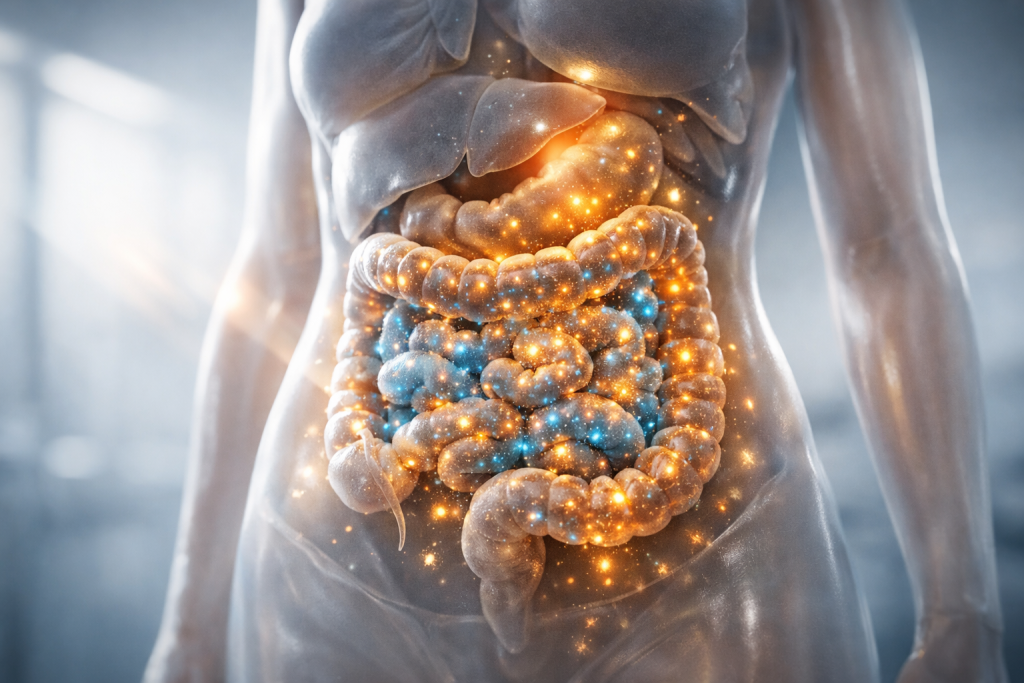
🧬 Aging has long been framed as unavoidable decline. Genes load the gun, time pulls the trigger. But a growing body of research is flipping that story. According to a comprehensive 2026 scientific review, the gut microbiome may be one of the strongest and most modifiable drivers of how we age.
That single idea is reshaping longevity science, preventive medicine, and biohacking culture all at once.
Key Takeaways
- The gut microbiome regulates inflammation, immunity, and metabolism, the core engines of aging
- Age-related microbial imbalance appears across most chronic diseases, from Alzheimer’s to heart disease
- New technologies are turning microbiome data into personalized interventions
- Daily lifestyle choices already influence how “old” your microbiome behaves
Aging Isn’t Just Cellular. It’s Microbial
🧠 As people age, their gut microbiome changes in strikingly predictable ways. Microbial diversity declines. Beneficial species shrink. Pro-inflammatory microbes gain ground. Scientists refer to this pattern as aging-associated dysbiosis.
What makes this important is scale. The gut microbiome contains trillions of organisms and millions of genes. Collectively, they influence immune tone, nutrient absorption, hormone signaling, and brain chemistry. When balance is lost, the body drifts toward chronic inflammation.
One line from the review captures the shift clearly:
“Age-related dysbiosis acts as a shared biological substrate across multiple aging-associated diseases.”
One Root Problem, Many Diseases
🔥 The most surprising finding is not that microbes matter, but how broadly they matter. The same microbial disruptions show up across conditions that once seemed unrelated.
The review links gut dysbiosis to:
- Neurodegenerative diseases via the gut-brain axis
- Autoimmune conditions through immune dysregulation
- Metabolic disorders through insulin resistance
- Cardiovascular disease through inflammatory metabolites
- Bone and muscle loss through impaired nutrient signaling
Instead of separate disease pathways, researchers now see one disturbed ecosystem expressing itself in many organs.
Why Inflammation Keeps Showing Up
🧬 Aging research increasingly centers on one concept: chronic low-grade inflammation, often called inflammaging. The gut microbiome plays a central role in this process.
When beneficial microbes decline, fewer anti-inflammatory compounds like short-chain fatty acids are produced. The gut barrier weakens. Immune cells become overactive. Inflammatory molecules leak into circulation.
This helps explain why aging diseases cluster together and why treating symptoms downstream often fails.
Why This Is a Big Deal for Longevity
🚀 Traditional medicine treats organs in isolation. The microbiome forces a systems-level view. Instead of asking, “How do we fix this disease?” scientists ask, “What biological environment allowed it to emerge?”
That reframing matters because environments are easier to influence than genetics. Microbes respond rapidly to diet, sleep, stress, medications, and circadian rhythms.
In other words, the microbiome is fast, flexible, and trainable.
Technology Is Accelerating the Shift
🤖 The review highlights how new tools are turning microbiome science from descriptive to actionable.
Key advances include:
- Functional multi-omics, which track what microbes are doing, not just who they are
- AI-driven analytics, capable of detecting disease risk years before symptoms
- Synthetic biology, where microbes are engineered to deliver therapeutic compounds
- Autologous microbiome banking, allowing individuals to preserve a healthier microbial state
This is precision medicine built on ecosystems rather than single targets.
The PRIME Framework for Microbiome Medicine
🧭 To translate research into care, the authors propose the PRIME framework, a structured roadmap for microbiome-based interventions.
It includes:
- Profiling the microbiome and metabolites
- Reviewing results within aging biology
- Identifying modifiable microbial targets
- Mapping personalized strategies
- Evaluating outcomes over time
The goal is adaptability. Interventions evolve as biology changes.
What You Can Do Now to Support a Younger Microbiome
🌱 You don’t need advanced diagnostics to apply many of these insights. The evidence already supports several practical strategies.
Focus on:
- Dietary diversity, aiming for 30 or more plant foods weekly
- Fermentable fibers, which fuel anti-inflammatory metabolites
- Polyphenol-rich foods, such as berries, olive oil, cocoa, and green tea
- Consistent meal timing, aligned with circadian rhythms
- Reducing ultra-processed foods, which erode microbial resilience
These habits compound slowly, which is exactly how aging works.
Why Probiotics Are Not the Whole Answer
🧪 The review is clear on one point. No single probiotic can “fix” the microbiome. Most strains don’t permanently colonize. Context matters more than capsules.
What shapes long-term microbial health is:
- The food environment
- Host immune signaling
- Daily rhythms
- Stress exposure
Think ecosystem management, not microbial supplementation.
Ethical Questions Are Coming Fast
⚖️ As microbiome-based therapies advance, ethical concerns grow alongside them. Who owns microbiome data? How are engineered microbes regulated? Will access be limited to elite healthcare systems?
The review stresses that ethical frameworks must evolve in parallel with technology. Trust will determine adoption.
Sources
- The role of gut microbiome in aging-associated diseases: where do we stand now and how technology will transform the future
https://pubmed.ncbi.nlm.nih.gov/41454672/